
The global #petindustry is entering 2026 under a backdrop of economic pressure, geopolitical uncertainty, and shifting consumer expectations. From tariff fluctuations to the rise of AI and functional nutrition, the latest industry insights highlight several key trends that #petbusinesses cannot afford to ignore.
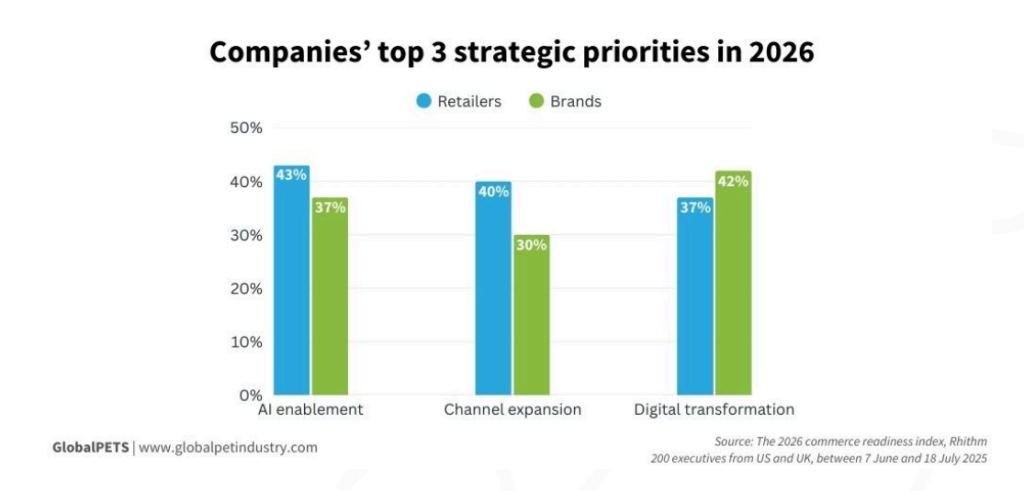
AI Is Becoming a Core Driver in the Pet Industry
In 2026, artificial intelligence is expected to become deeply integrated into everyday life, including how #petowners interact with products and services.
More companies are prioritizing AI across multiple areas, including loyalty programs, supply chain operations, and customer engagement. As AI capabilities advance, consumers are beginning to expect a higher level of personalization in purchasing experiences.
With the ability to process complex datasets, AI is enabling new applications such as:
- predictive pet health monitoring
- virtual veterinary consultations
- personalized nutrition and feeding plans
Beyond healthcare, AI is also expanding into areas such as pet training tools, interactive toys, and behavior-based products, opening up new product development opportunities.
Flexible Business Models Will Define Competition
Consumers in 2026 are no longer satisfied with one-size-fits-all offerings. Instead, they are looking for flexibility, value, and personalized solutions.
Successful brands will be those that can offer:
- adaptable product options
- personalized recommendations
- low-commitment purchasing models
Understanding generational differences—both in terms of income levels and attitudes toward pets—will be essential for targeting the right customer segments.
Retail Is Shifting Toward Convenience and Experience
Pet owners increasingly want reassurance that their pets’ needs can be met quickly and easily. This has led to what is often described as a “comfort zone mindset”, where convenience becomes a key decision factor.
Retailers are responding by:
- strengthening in-house delivery systems
- partnering with global and local quick-commerce platforms
- improving both online and offline shopping experiences
At the same time, new retail formats are emerging. Compact physical stores in high-traffic urban locations—such as metro stations—are being used to provide curated product selections and function as convenient collection points.
These stores are designed to integrate into consumers’ daily routines, rather than act as traditional standalone retail destinations.
Loyalty Remains a Key Competitive Advantage
Even in a challenging economic environment, consumers continue to show strong emotional commitment to their pets.
This creates an opportunity for brands to build long-term loyalty by aligning with that emotional connection.
Key strategies include:
- offering flexible purchasing options
- demonstrating sustainability commitments
- building community-driven brand engagement
At the same time, major retailers are investing in improving their private label product quality, aiming to capture a larger share of the market.
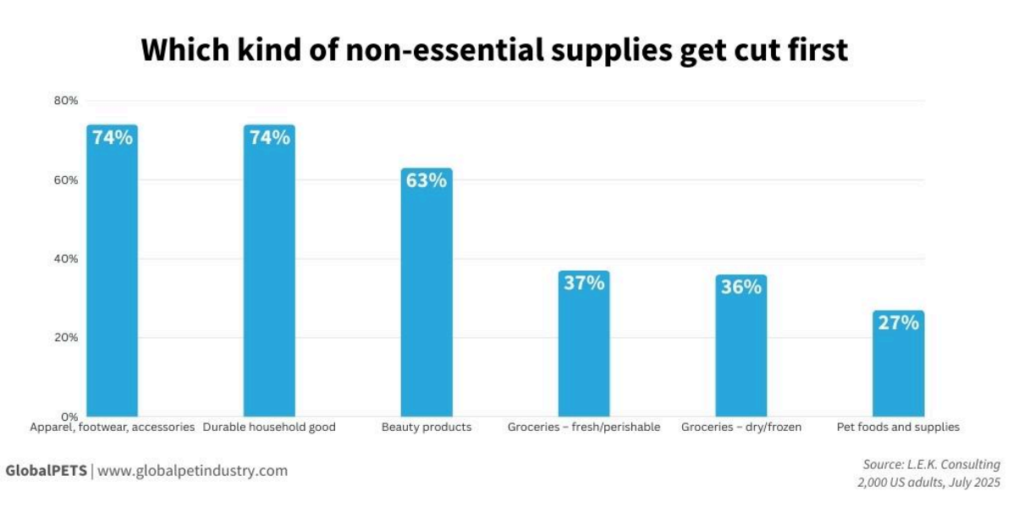
Economic Pressure Is Reshaping Consumer Behavior
The global #petmarket is being shaped by broader macroeconomic factors, including inflation, currency fluctuations, and geopolitical tensions.
Although inflation is beginning to stabilize, consumer confidence remains fragile. Economic data suggests the continued expansion of a “K-shaped economy”, where:
- higher-income households continue to spend
- lower-income groups face increasing financial pressure
This divergence is likely to influence purchasing behavior across different segments of the pet market.
In addition, regulatory developments such as the EU’s Packaging and Packaging Waste Regulation (PPWR) are expected to impact packaging strategies and operational costs across the industry.
Tariffs and Supply Chains Remain Major Challenges
Tariffs continue to be a critical issue for the pet industry.
According to the American Pet Products Association (APPA), tariffs in the #petcategory increased by approximately 29% over the past year, creating significant pressure on both manufacturers and brands.
In response, companies are exploring:
- supply chain restructuring
- increased regional production
- stronger international partnerships
At the same time, AI is being used to improve supply chain efficiency and optimize logistics operations.
Functional Nutrition Is a Fast-Growing Segment
Pet health and wellness continue to gain importance, driving strong growth in functional nutrition.
In the United States, the pet supplements category saw approximately 14% year-on-year growth last year, outperforming the overall pet industry.
Demand is being driven by increasing interest in:
- pet longevity
- preventive healthcare
- targeted nutrition solutions
Products focused on digestive health and joint support, particularly for dogs, are leading this trend.
What This Means for the Pet Industry
The 2026 outlook shows that the pet industry is becoming increasingly data-driven, personalized, and health-focused.
AI integration, supply chain transformation, and the rise of functional nutrition are reshaping how companies operate and compete. At the same time, macroeconomic pressure is forcing businesses to become more efficient while still delivering value to consumers.
The industry is moving toward a model where technology, convenience, and emotional connection all play equally important roles.
What This Means for Pet Brands Working with OEM Partners
For #petbrands, these trends highlight the growing importance of working with OEM partners that can support flexibility, speed, and product innovation.
As demand shifts toward:
- personalized products
- functional and health-focused solutions
- faster delivery and adaptable production
OEM manufacturers need to provide:
- agile production capabilities
- strong material and product development support
- efficient and resilient supply chain solutions
Brands that collaborate with OEM partners capable of adapting to these changes will be better positioned to respond to market demands and stay competitive in an increasingly complex global environment.
Source: GlobalPETS