Germany’s #petindustry is a powerhouse with massive untapped potential—but succeeding here takes more than just great products; it needs strategy, innovation, and staying power.
Nearly half of all German households share their homes with a pet. While recent economic shifts have led to more cautious spending and fewer new pet adoptions, pet parents’ commitment to animal welfare hasn’t wavered. In 2024, Germans spent over €7 billion ($8.1B) on their furry, feathered, and scaled family members—proving this market’s resilience.
Multichannel Shopping Is Non-Negotiable
German #petowners crave flexibility when they shop. Around a third stick strictly to physical stores, while 60% blend online and offline purchases. Brick-and-mortar retailers are adapting with specialized offerings and omnichannel perks: click-and-collect, digital loyalty programs, and seamless cross-platform experiences are now table stakes.
Even so, 2024 marked the first year of stagnant turnover after years of growth—holding steady at just under €5.4 billion ($6.3B). Online sales, however, are booming: up nearly 15% in 2024 to €1.5 billion ($1.7B), per data from the German Pet Trade and Industry Association (ZZF) and the Industrial Association of Pet Care Producers (IVH). Major online platforms are winning with flexible subscription models, which lock in stable revenue, gather valuable customer data, and ensure pet owners never run out of essentials.
Cat Food Drives the Pet Food Market
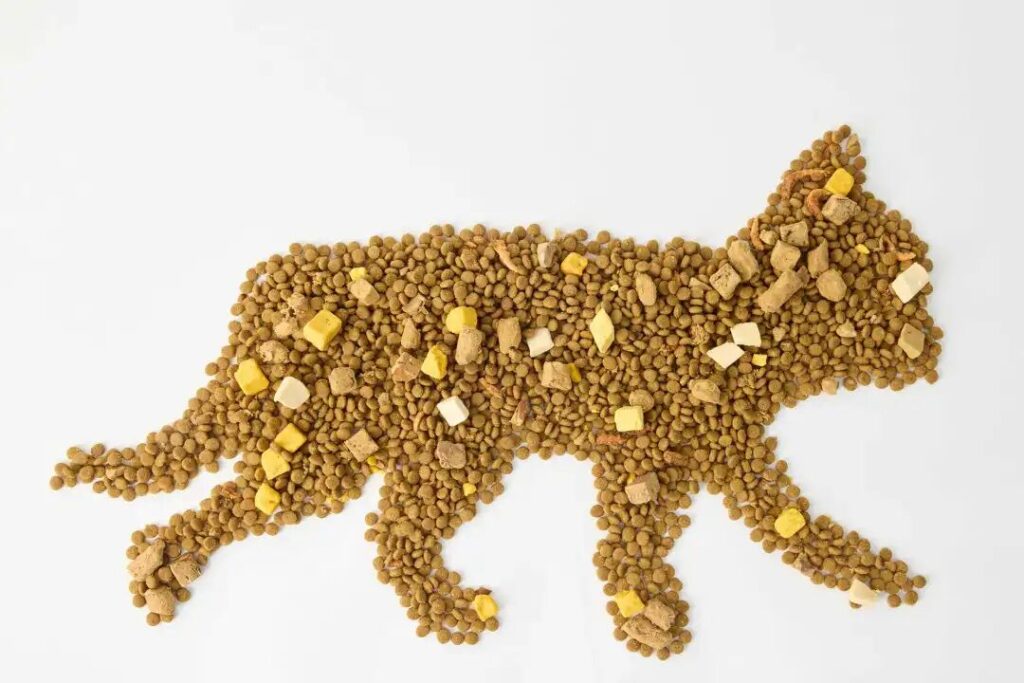
#Petfood remains the industry’s biggest earner, with a stable €4.3 billion ($5B) market in 2024. Cat food is the standout growth driver, climbing 3.5% to €2.3 billion ($2.7B). In contrast, ornamental bird food fell 4.1% and small animal food dropped 7.9%. Accessories and supplies also saw a slight 0.6% decline as #petowners put off big-ticket buys.
Grocery retailers outperformed pet shops in the food segment, with pet shops losing 2% of their market share. But specialist chains aren’t backing down: Fressnapf Group is beefing up its logistics and omnichannel setup, while Das Futterhaus and Zoo&Co keep opening new stores. Rewe subsidiary ZooRoyal—originally an online shop—has added physical locations and plans a large-scale rollout in 2026. Overall, the top 20 pet shop operators expanded their sales space by 2.5% last year.
Cats Are Taking Over German Homes
Since the COVID pandemic, Germany’s total #petpopulation has dipped slightly—small animals and birds are down by around 300,000 after 2022 growth. But cats are bucking the trend: 300,000 more households welcomed cats in 2024 than in 2023. Today, 25% of German homes have at least one cat, and 38% of those households have multiple felines.
ZZF predicts the total pet population will return to pre-pandemic fluctuation patterns. Around 3.8 million households still plan to adopt a new pet—keeping the market’s long-term outlook steady.
Challenges: Costs and Red Tape
German #petbusinesses face significant pressure from rising raw material, energy, and labor costs. On top of that, regulatory hurdles like Germany’s Supply Chain Act, the EU Supply Chain Act, and the EU Deforestation Regulation (EUDR) are creating burdensome documentation requirements.
“As worthy as these regulations’ goals are, we can’t forget that bureaucracy stifles innovation,” warns Gordon Bonnet, Managing Director of ZZF. “It drives up costs, forces companies to rethink supply chains, source alternative raw materials, and partner with certified suppliers. Some requirements are simply impractical—we need urgent improvements.”
Growth Drivers: Health, Sustainability, and Digital Services
Despite the challenges, ZZF remains optimistic—thanks to surging demand for high-quality, sustainable products. Health, sustainability, and digital services are the three key growth pillars.
Younger pet owners, in particular, want products that prioritize both animal welfare and the environment. For example, 57% of cat owners consider sustainability a key factor when choosing litter, with 21% already opting for plant-based alternatives over mineral ones. Regional products, alternative protein sources, supplements, and functional snacks are also seeing strong growth.
Digitalization is another big driver. Smart home tech for pets, telemedicine, nutritional advice, online training, mobile grooming, and aquarium maintenance are all in high demand. The industry is becoming more professional, with pet parents seeking convenience and expert support.
Small animals and birds still hold appeal, but consumer expectations have shifted—especially around species-appropriate care. Pet owners now demand better housing, more space, and mental stimulation for their rabbits, guinea pigs, hamsters, and birds. In affluent areas, high-quality enclosures are a top purchase.
The Rise of “Hobby Farmers”
An exciting emerging trend? Backyard animal keeping. Around 7.3 million farm animals—think chickens and quails—now live in 1.4% of German households, not just in rural areas but in cities too. The market for these “hobby farmers” includes everything from essential nutrients and snacks to bedding, protection gear, and even branded accessories. German influencers and bloggers have already embraced the trend, opening up a whole new segment for pet industry players to tap into.
Germany’s pet industry is evolving—pet parents are more discerning, channels are more diverse, and trends are more niche. For brands willing to adapt to multichannel shopping, prioritize sustainability and health, and cater to emerging segments like hobby farmers, the opportunities are endless. This market isn’t just growing—it’s maturing—and the brands that understand its nuances will thrive.
Source: GlobalPETS