Artificial intelligence has rapidly become a part of how #petbusinesses operate, particularly in areas like content creation, marketing and internal communication. According to Pets+ Magazine’s 2025 BIG SURVEY, 71% of #petretailers and service providers use AI for online content, 64% for marketing and sales, and 34% for communication with customers, employees and vendors—including measurable improvements in output and efficiency.
However, moving from using AI as a strategic advisor—where it helps brainstorm ideas—to using it as a tactical executor—where it delivers ready-to-use output—can significantly multiply productivity without increasing workload.
Why Tactical AI Execution Matters
Many pet businesses get value from high-level strategic support from AI, such as generating ideas for campaigns or drafting marketing plans. Yet the real competitive edge comes from teaching AI precisely how to act on specific tasks. Instead of asking high-level questions, the focus should be on giving detailed instructions that deliver immediate, practical output.
For example, a vague prompt like:
“Help me develop email subject lines for our customer event”
won’t be nearly as effective as a clearly parameterized prompt such as:
“Write four email subject lines for a customer appreciation weekend offering 20% off premium food brands. Target customers are 60% female, age 35–55, value quality and convenience, and each subject line should be under 50 characters.”
This shift—from strategy to execution—helps businesses produce usable content directly from AI without needing extensive editing or refinement.
Build Repeatable AI Workflows
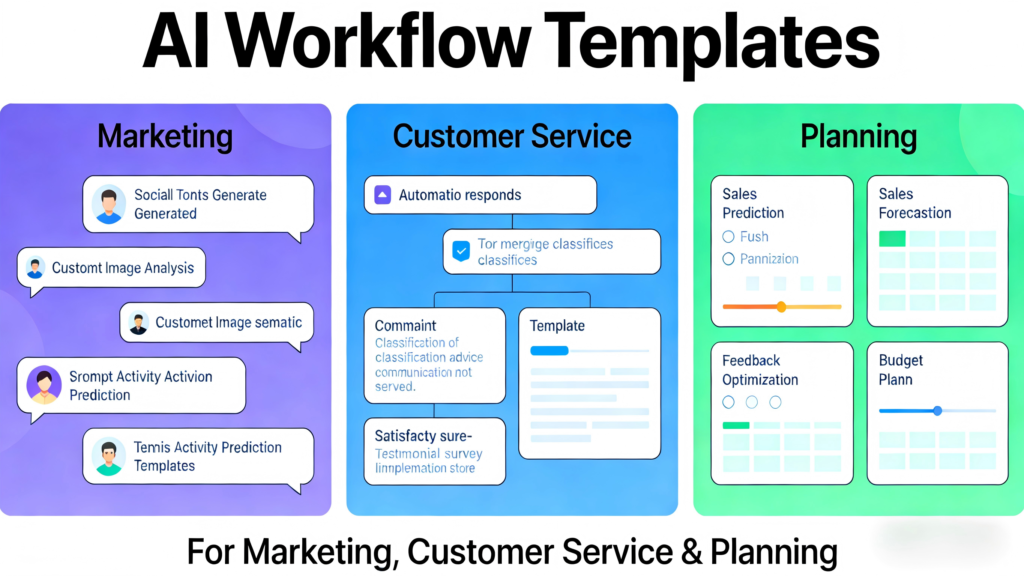
Once a prompt produces quality, repeatable results, it should be saved and reused as a template. The structure remains the same while the details (product, offer, date) change. One survey respondent highlighted using ChatGPT’s memory feature to keep context across requests, allowing the system to produce copy that builds on previously supplied information.
Pet businesses can scale AI implementation over time. A useful framework from the survey suggests a progression like this:
- Weeks 1–2: Social media captions and email drafts
- Month 2: Customer service templates and review responses
- Month 3: Employee training materials, policies, SOPs
- Quarter 2: Data analysis and planning scenarios
This staged approach turns AI into a tactical partner that consistently saves time—sometimes cumulatively giving back 48 hours annually from automating a single weekly task.
AI is More Than a Strategy Tool
When asked about the ultimate benefit of AI, 44% of respondents said it would “add a new brain to my business,” helping generate ideas and actionable plans. There is truth in this: AI helps businesses think bigger—but its greatest value comes from moving beyond strategic discussions into clearly defined tactical execution.
Pet teams can start applying this shift immediately by identifying one recurring task and crafting a detailed prompt to automate it with AI.
Source: Pets+ Mag