Why product thinking now defines who can grow internationally
The global #petindustry is entering a new phase. Growth is no longer driven purely by market expansion, but by a combination of functional product design, brand clarity and operational scalability.
Recent discussions from APPA Trade Talks and industry reporting highlight a clear pattern: brands that succeed internationally tend to build deep product logic first, then scale manufacturing, distribution and partnerships around it — not the other way around.
This shift is especially visible in categories such as performance gear, outdoor accessories and functional apparel, where consumers increasingly expect measurable benefits, not just aesthetic upgrades.
From “more products” to “better solutions.”
Across mature #petmarkets, brands face similar pressures:
- Higher consumer expectations around quality and durability
- Greater scrutiny of value for money
- Rising operational and compliance costs
- Slower growth from pure SKU expansion
As a result, winning brands are narrowing their focus. Instead of launching dozens of variations, they are investing in core products that solve real use-case problems, supported by better materials, testing and storytelling.
Manufacturing is no longer just a backend cost center. It has become a strategic lever — directly shaping brand credibility, pricing power and international readiness.
Brand case analysis: Non-stop dogwear
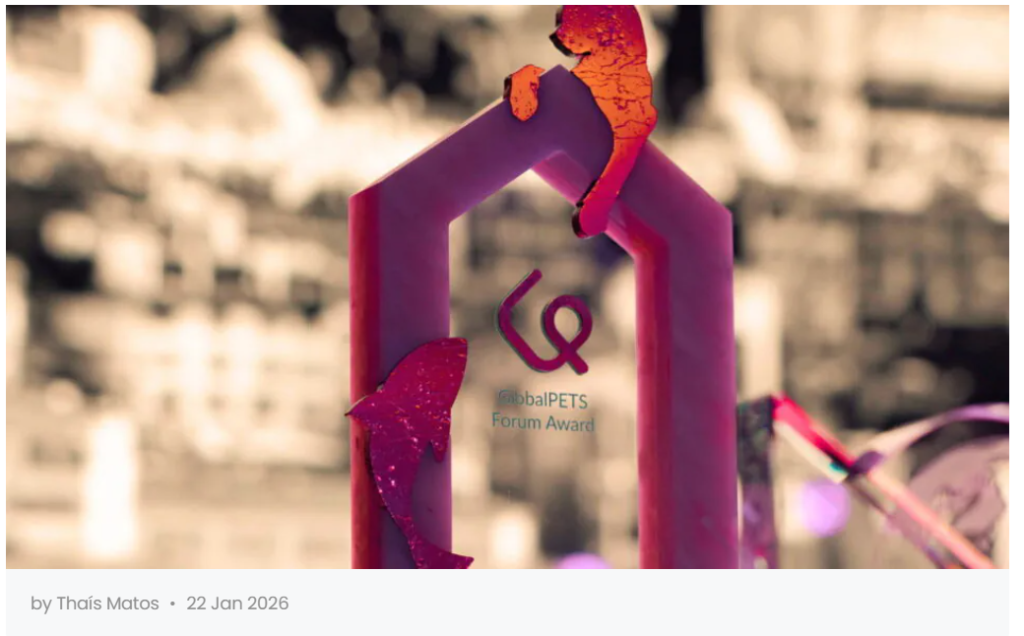
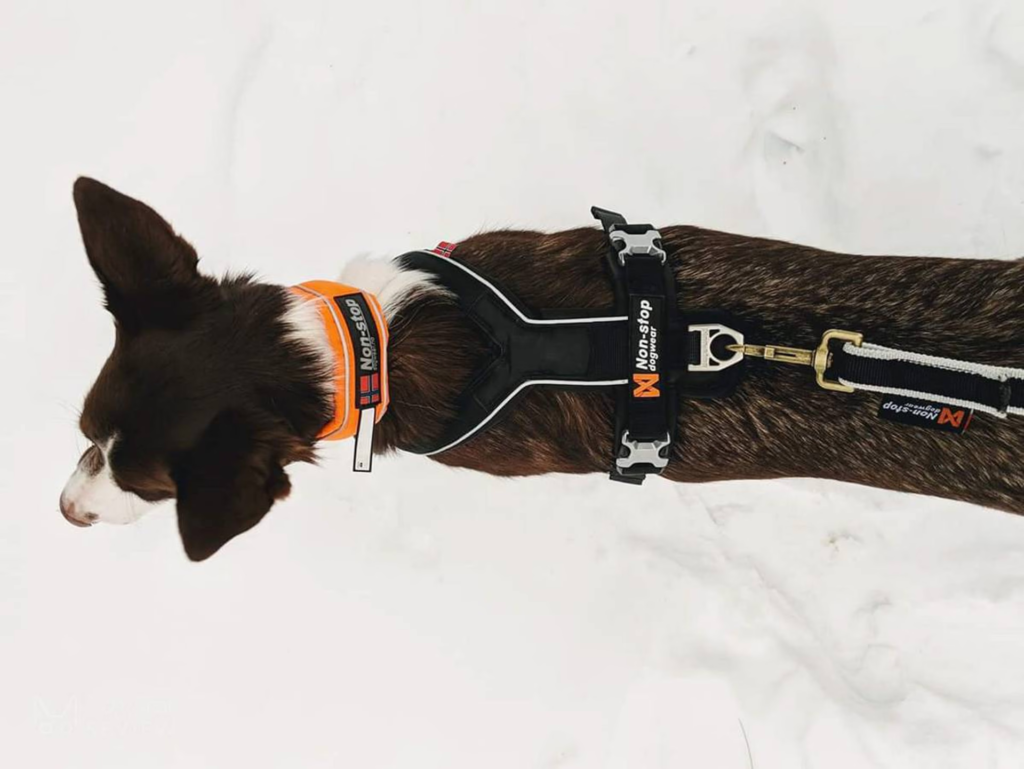
One brand frequently cited in recent industry discussions is Non-stop dogwear, the Norwegian manufacturer recognized with the GlobalPETS Forum Award 2026 for innovation and expansion strategy. Non
Founded in 2008, Non-stop Dogwear did not position itself as a lifestyle brand from day one. Instead, it built its identity around performance dogs and extreme use scenarios — sled dogs, rescue dogs, sporting and working dogs.
Several elements stand out from its development path:
1. Product-first brand logic
Non-stop dogwear designs accessories to withstand real physical stress. Ergonomics, mobility, weight and durability are treated as non-negotiables, not marketing add-ons. Dogs are involved throughout the testing process, ensuring that functionality drives every iteration.
2. Innovation tied to real applications
Recent launches — including rescue slings, full-body waterproof coats, cooling vests and drying coats — are not trend-driven. Each product addresses a specific environment or physical demand, making the value immediately clear to the end user.
3. Scalability built on credibility
In 2020, exports accounted for around 30% of sales. Within five years, that figure rose to 77%, with distribution across 108 countries. Expansion into Asia, South America and North America followed only after product systems and operational capabilities were mature enough to support global demand. Non
The lesson here is not speed — it is sequence. Non-stop dogwear scaled because the product foundation could carry the brand, not because new markets were simply available.
What pet brands can learn from this model?
Several takeaways apply broadly across categories:
- Function creates defensibility: Products that genuinely perform are harder to replace, discount or commoditize.
- Testing beats assumptions: Real-world usage data outperforms trend forecasting.
- Manufacturing partners matter early: Complex functional products require OEMs who understand materials, tolerances and repeatability — not just cost targets.
- Global expansion follows readiness, not ambition: Infrastructure, compliance and logistics must grow alongside demand.
For brands, this means manufacturing decisions increasingly influence brand trajectory, not just margins.
What this means for pet brands working with OEM partners
For brands collaborating with OEM #petmanufacturers, the implications are clear:
- OEMs should be involved earlier in product development, not only at the quotation stage.
- Material selection, construction methods and testing protocols must align with the brand’s long-term positioning.
- Flexibility matters: smaller production runs, faster sampling and iterative refinement enable better products — especially in functional categories.
- Transparency and technical communication become strategic assets, not operational details.
In today’s market, the strongest OEM–brand relationships are less transactional and more co-creative, built around a shared understanding of end-user needs.
Conclusion
The #pet industry’s next growth phase will reward brands that treat manufacturing as a capability, not a commodity. Functional innovation, disciplined expansion and the right production partners are increasingly interconnected.
Brands that get this alignment right will not only grow internationally — they will grow sustainably.
Source: GlobalPETS