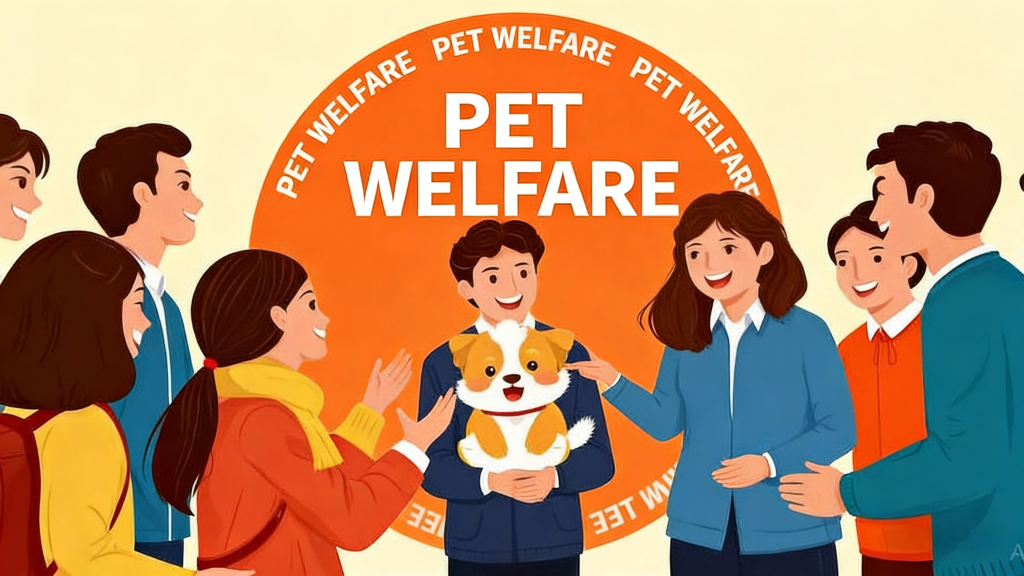
Across the world, pets are no longer viewed simply as animals in the home. For millions of people, they are family members. As this emotional bond continues to grow, it is influencing not only consumer behavior but also workplace culture. One emerging example of this shift is the growing adoption of “pawternity leave.”
This new type of employee benefit allows workers to take time off to care for their pets, particularly when welcoming a new animal into the home or dealing with the loss of a beloved companion.
Companies Are Beginning to Recognize the Human–Pet Bond
More businesses are introducing pet-related leave policies as part of their employee well-being programs. The idea behind pawternity leave is simple: when someone adopts a pet, especially a puppy or a rescue animal, it can require time and attention similar to bringing home a new family member.
For example, London-based wellness company Stronger Wellness recently introduced a policy granting employees one day of paid leave when they adopt or welcome a new pet. The company also allows additional compassionate leave in cases of pet bereavement.
According to the company’s leadership, the goal is to acknowledge the importance of pets in employees’ lives while supporting a healthy work-life balance.
Employee Demand Is Driving the Trend
The idea of pawternity leave is not just coming from employers; it is largely being driven by employees themselves.
A survey conducted in the UK among more than 2,000 dog owners found that 70% of respondents support workplace rights that allow employees to take time off to care for or mourn their pets, similar to family-related leave policies.
Companies have noticed that recognizing the emotional connection between people and pets can significantly improve employee satisfaction and engagement.
Early Adopters Are Seeing Positive Results
Some companies have already been offering pawternity leave for years.
Scottish brewery BrewDog introduced the benefit in 2017. Employees who have worked at the company for at least two years are entitled to one week of paid leave when they rehome a dog or puppy.
The policy was originally suggested by an employee and quickly gained strong internal support. Since then, the company has reported positive feedback from staff and increased engagement.
Interestingly, the benefit has also become a talking point during recruitment. Candidates often notice the company’s pet-friendly policies, which help attract talent that shares similar values.
The Trend Is Growing in the United States
The concept is also gaining traction in the US.
A survey by financial services firm Empower found that 26% of American #petowners say their dream job would offer pawternity leave.
In response to this growing demand, New York-based software company Pipedrive launched a pet adoption leave program that gives employees five days of paid leave when they adopt a pet. The leave is intended to help employees integrate the animal into their home and manage the early adjustment period.
What This Means for the Pet Industry
For companies operating in the #petindustry, these changes reflect a broader cultural shift. As pets become more integrated into people’s lives, spending on #petproducts and services continues to rise.
Pet owners are increasingly investing in:
- higher-quality food and treats
- comfortable bedding and furniture
- enrichment toys and accessories
- health and wellness products
This trend reinforces a key reality: the stronger the emotional bond between people and pets, the more consumers are willing to invest in their animals’ well-being.
A Sign of the Future
Pawternity leave may still be a relatively new concept, but it clearly reflects how society’s relationship with pets is evolving.
For brands, retailers, and suppliers in the pet industry, this shift presents significant opportunities. As pets become even more central to people’s lifestyles, demand for thoughtful, high-quality pet products will continue to grow.
Understanding these cultural trends is essential for companies that want to stay ahead in the rapidly expanding global #petmarket.
Source: GlobalPETS